The Woman Wrongfully Executed for Espionage: Ethel Rosenberg
- guidetopw
- Aug 9, 2020
- 3 min read


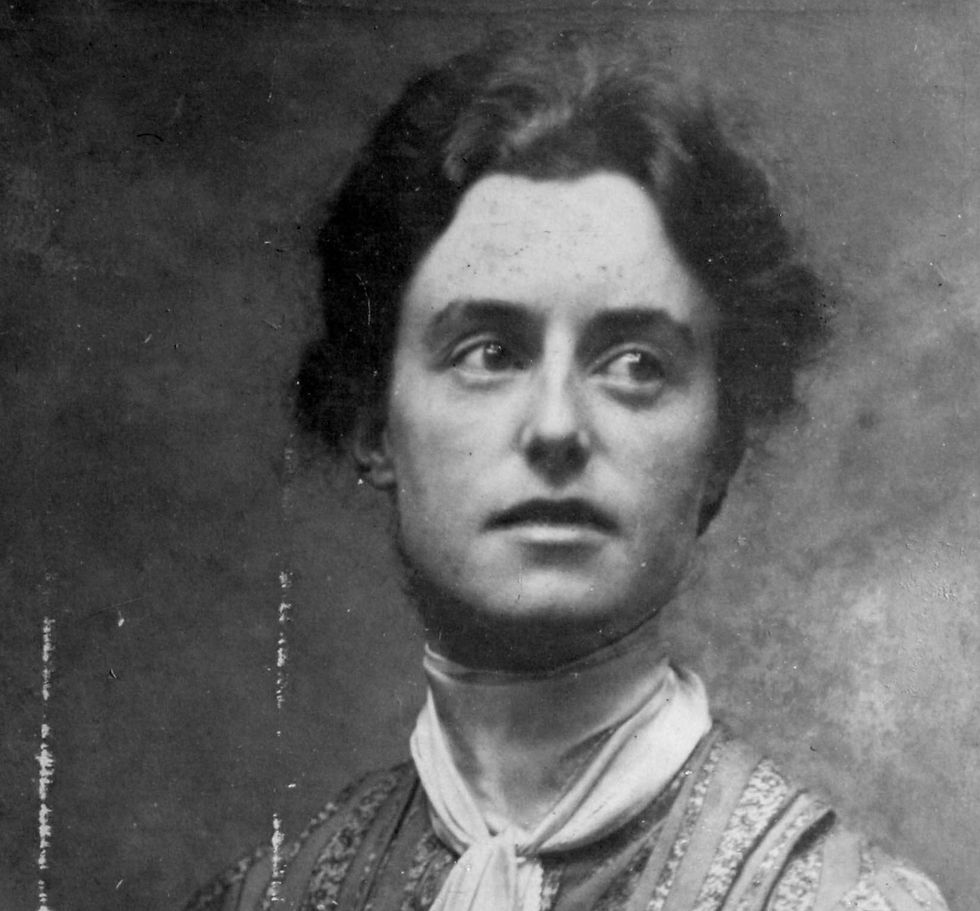
Ethel Rosenberg was convicted of espionage at the age of 38. She was executed by electric chair along with her husband in 1953. She was also the second woman to be executed in the US at that time. But many question whether her execution was necessary as much evidence and documents have been uncovered that strongly prove her innocence. So what happened, and was her execution justified?
High school and her beginning involvement in Communist groups
Her involvement with her husband, Julius Rosenberg, and espionage
The aftermath of her execution, and her son’s attempts at exonerating their mother
High school and her beginning involvement in Communist groups
Ethel Rosenberg was born on September 28th in 1915. She was born in a small town in New York City as a second generation immigrant. Her parents moved to America from Russia, and they lived in an apartment with her two younger brothers Robert and David. She also had a strained relationship with her mother her whole life. As Rosenberg grew older she was interested in becoming an actress, she was often in many different theater productions and plays. During high school she was involved in theater and music. After she graduated she opted to take college preparatory classes which was different compared to other women in her classes. However, when she graduated the Great Depression had just begun, so she decided to work in order to assist with family expenses. In this period, she began to study music and theater seriously. Ethel was even invited to join a very prestigious choir called Schola Cantorum. After her involvement in music and other jobs she joined the New York Packing and Shipping Company as a secretary. Her time as a secretary was full of various different activities. Apart from doing her normal job, she was involved in the workers union where she helped in organizing protests and strikes. This job was the first to introduce her to communism and leftist radicalism. In her workplace she found other co-workers who shared her love of theater and they often spent time talking about their passions and about their political ideologies. Because in the 1930s many people still saw Soviet Russia as an ally to the US and saw their accomplishments successful. She joined the Youth Communist League in which she became active and prominent. Here she met her to-be husband Julius Rosenberg.
Her involvement with her husband, Julius Rosenberg, and espionage
She and Julius got married in 1939 after meeting in 1936. A few years later they had two children, both boys. She became very involved with taking care of her two kids and abandoned her interests in theater and music to continue taking care of them. However, her involvement in the communication with Soviets is still not clear. But what led to their arrest? A german-born physicist that was working on the Manhattan Project, was arrested. He then gave the name to his correspondent in Albuquerque and his wife. This was Ethel’s brother, David Greenglass and his wife Ruth. He was working on the atomic bomb and worked in the military. After his arrest, and in his testimonial in order to protect his wife and children, he pointed the FBI to Julius and Ethel Rosenberg. He said that Ethel had typed notes on the drawings and notes sent by David. After Julius was arrested on July 16th, 1950 he was questioned and eventually Ethel was then arrested on July 17th, 1950 in order to get more information from Julius. Unfortunately, she and her husband were sentenced to death under the sentence of treason, they died by the electric chair, she died after Julius on June 19, 1953.
The aftermath of her execution, and her son’s attempts at exonerating their mother
After their trial and execution, there was guilt in convicting Ethel because of the lack of evidence truly proving her involvement in espionage. Her brother, who was not executed, later came out and admitted to making up the fact that she had typed notes on the classified information. However, her son’s Robert and Michael were orphaned. Fortunately, they were adopted by an english teacher at a local public school. Although they were not aware of much of the things that had gone on with their parents, as they grew older they began to look into it more and felt as if their parents should not have been executed. Though evidence later proved that Julius Rosenberg was guilty, they felt as if the information he passed on was lacking in importance and was not that valuable. There also has been much evidence proving Ethel’s innocence, pointing strongly in the direction of her innocence and proving that she may have been wrongfully convicted. The two brothers petitioned to have their mother exonerated. Despite their efforts, the government refused to pardon her, and also refused to admit that Julius was not guilty of the information he was convicted of passing on.
Sources Used:


Comments