The First Woman in Europe to Earn an Engineering Degree: Elisa Zamfirescu
- guidetopw
- Jul 5, 2020
- 4 min read

Women in STEM? Not a first. We all know that there is a big gender gap for women in any STEM field, especially engineering. But try rewinding 50 years ago. Do you think that even existed? Was it even possible for women to go to school back then? Were women even recognized for their contributions? Well, you might not know any women that got an engineering degree back then, but for it to be possible for women to achieve a degree or a career in today’s day and age, it was all because of one woman, Elisa Leonida Zamfirescu.
Elisa’s Background and Education
Her journey as a Career Woman
Recognition for her contributions
Elisa’s significance as a woman
Zamfirescu, an inspiration
Who was she?
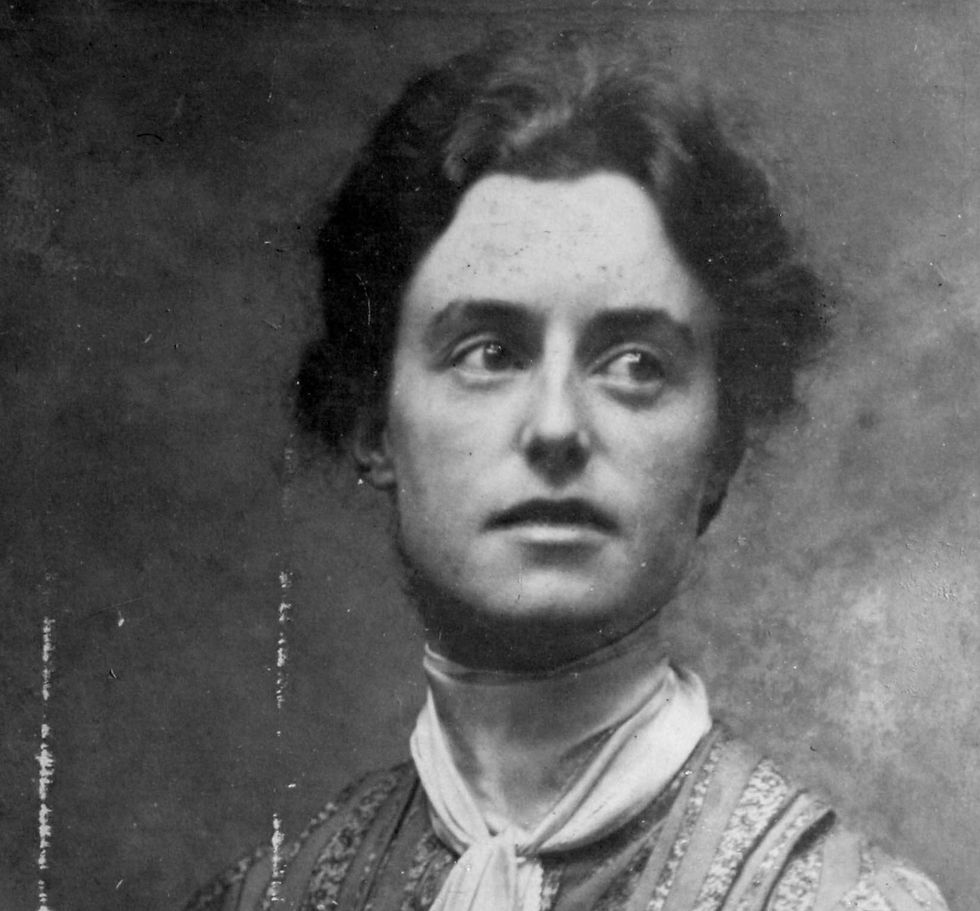
Elisa was born in 1887, and her involvement in academics started at a very early age. Her family had many engineers that were very successful, which inspired her to be just as great as them. Her grandfather’s passion for engineering was what led Elisa and her brother to be inspired to contribute to society and be as successful as their grandfather. But, even if her family had engineers, it was not an easy journey that Elisa had to face in order to earn an engineering degree. Elisa grew up in Romania, but continued her education in Bucharest. She graduated from Mihai Viteazul High School, and applied to many colleges so that she could study engineering. Mostly, she was rejected from a lot of the schools that she applied to because of her gender, but there was one school that finally accepted her, the Royal Academy of Technology Berlin in Germany in 1909. Once she was accepted, it's easy to assume that it was the end of her difficulties, but it wasn’t. She struggled every day because from other people’s perspectives she looked like she was a disgrace and disappointment for being a girl and studying engineering, but eventually she was finally able to achieve a degree in engineering and the first woman to ever graduate in engineering after majoring in chemistry.
Her Journey as a Career Woman
Elisa started her career at the Geological Institute of Romania, until the interruption of the Great war in which she went and served with the Red Cross to help society. After she picked up at the Institute, she did a lot of research and made many contributions in her career. Some of her major discoveries include the discovery of new resources like coal, shale, natural gas, chromium, bauxite, and copper, and the creation of new techniques to analyze the resources that she had found at her time with the Institute. Apart from being an amazing career woman and an amazing researcher, she contributed and had her own publications. Her publications include the Contributions to the Study of Bauxite in Romania in 1931 and The Chemistry of Chromite in the Orsova Mountains in 1939. Outside of being a career woman and publishing articles she worked in order to help society. She often taught schools made up of girls physics and chemistry in an effort to inspire them to become what she became and make more successful women by helping them pursue engineering.
Her Awards and Achievements
Even if Zamfirescu was not always a career woman, and chose to serve in the Great War, her outstanding contribution still let her win amazing awards. In recognition of her contributions to society and the world, there is a whole street that is named after her in 1993. She also had an award named after her for the women that work in science and technology called the Premiul elisa Leonida Zamfirescu. Her continued impact on the work and women is always felt as she continues to be recognized every year by Google Doodle honoring her birthday in November 2018.
Motherhood and its Impact
This one is quite simple. Elisa's motherhood did not stop her or her impact to continue. She had two wonderful daughters that she empowered them to be just like her. Her being a mother did not shorten her goals or stop her from achieving more. Even after giving birth, she continued to be first in many things like being the first female member of the General Association of Romaninan Engineers (AGIR) and the first woman in the International Association of University Women. Her Impact as a mother increased her impact on society because her daughter followed in her footsteps to earn a degree in the STEM field and become a chemist.
Her Impact on the World
Some might say that Elisa as an inspiration saw its end in 1963 when she retired, but the truth is that she never stopped working even after retirement. She continued to be an inspiration as she held campaigns for disarmament and talking about the dangers of atomic weapons. As we still feel the impact of this today, she was one of the first to fight the gender imbalance in the engineering field and her achievements continue to inspire women to pursue an engineering degree. Even though she died in 1973, she was the one to help open up doors to other women in the engineering field, and the reason that women in Europe and the US are even able to easily be accepted into engineering departments and colleges, and make contributions to STEM fields is because she decided to be a first.
Source Used:


Comments