The Woman Behind the First Step on the Moon: Margaret Hamilton
- guidetopw
- May 30, 2020
- 4 min read

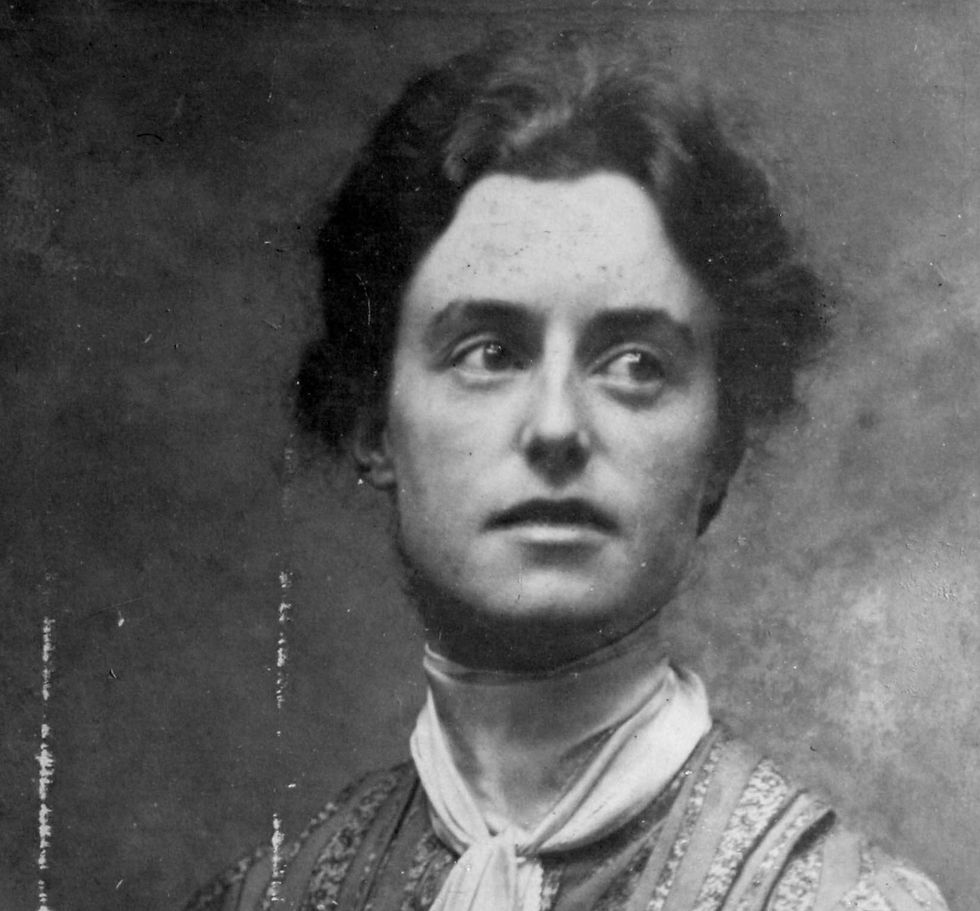
Everyone knows the first step on the moon, taken by Neil Armstrong, an American that took the chance to walk on a world beyond earth. Neil Armstrong was the first astronaut to take the first steps on the moon on July 20, 1969. He is known for the giant leap of mankind. Even though Neil Armstrong is recognized as one of the most important people that worked toward the mission, there is one woman who made the entire mission a success. Meet the woman behind the first step on the Moon and the first software engineer: Margaret Hamilton.
Hamilton's background and education
Her projects, SAGE, and her work at the Draper Laboratory
Her contribution to the Apollo 11 mission
Motherhood and work as the only woman in a computer science field
Her work's impact on the future
Who was she?
Let’s start off with the basics, Margaret Hamilton was born on August 17th, 1936. She was born and raised in Illinois and was extremely curious as a kid. She was often the only woman in the fields that she worked in, such as her first job as a high school math teacher and her post-grad work studying meteorology in MIT. She was one of the first women to work in computer programming and software engineering.
You must be asking, but what did she actually do that was so well-known?
First let’s talk about her involvement in projects. During her time researching meteorology in MIT she was approached to be a part of the SAGE project. In this project she was able to help develop one of the first anti-aircraft defense systems for the US. She also had the opportunity to work in what is now called the Draper Laboratory in MIT where she worked on developing flight software and flight technology. But, her most famously known work was her work on the Apollo 11 mission, also known as the mission that landed the first men on the moon!
Her time working on the Apollo Mission
She was the lead in the team that developed the software to help the Apollo 11 mission land safely on the moon. As she spent her days working on the software she was often worried about something going wrong. She has said that she felt pressured from the public, but also herself, saying that she “only had one chance”, which led to her work and meticulous testing to make sure that the software would not have any bugs during the Apollo missions. She attempted to perfect every error within the software that she wrote, which obviously paid off in the end because it allowed for the mission to go smoothly. Although you may be wondering about the infamous “Houston, we have a problem” issue. While working on the mission, Hamilton would occasionally bring her daughter, Lauren Hamilton, and while playing she set off an error. After going back to fix it, she asked permission to write code to prevent the error from occurring. However, after being denied permission to do so, being assured that the Astronauts were trained to be perfect, she wrote a message that would tell the astronauts to not press the code that would set off the error. Unfortunately, it was overlooked and pressed anyway leading to the issue. Fortunately, Hamilton wrote a code that would make it so that they would be able to reach the moon safely without the mission failing.
Working as a woman in the computer science field
Hamilton was often teased for her deep interest in computer science and technology. But her interest and hard work in developing software is one of the main foundations of all technology today. Hamilton also talked about how she felt working as the only woman in the mission, she said that it felt as if she was “one of the boys”, which made her experience much better. During her post-grad work studying meteorology, she had a child named Lauren Hamilton. She would often get asked questions along the lines of how she could take her daughter to her work and let her sleep there, however she often said that she loved the environment, the atmosphere where she worked and rarely talked about the negatives of working as the only woman. Her knowledge in her field was often disregarded just because she was a woman and a mother, but she was able to put down all perspectives that were against her, and she chose to work even harder to prove that a woman could be both a mother and successful in her career. Her contributions as a woman is very impactful, and her achievements inspires women all over the world, because she was able to prove that she could be successful as a mother even if that meant enduring failures.
How does she impact future generations?
Her work at NASA and throughout her career helped the future become what it is today. Her progress in her studies and projects have been so effective and crucial towards the current developments in software engineering and computer science. Her discoveries and improvements are still used today, and Margaret Hamiliton amazes everyone with the work she has put in towards developing computer science, and her most impactful contribution to her country, taking the first steps on the moon. Her significant contributions towards the giant leap for mankind were recognized and she was awarded the NASA Exceptional Space Act Award in 2003 and the Presidential Medal of Freedom in 2016 from Obama. Margaret Hamiliton is credited with the successful first steps on the moon, her contribution towards computer science that still influences generations today, and her ability to succeed as a woman and gain respect for her achievements.
Sources Used:
https://www.britannica.com/biography/Margaret-Hamilton-American-computer-scientist
https://en.wikipedia.org/wiki/Margaret_Hamilton_(software_engineer)
https://www.wired.com/2015/10/margaret-hamilton-nasa-apollo/
https://www.space.com/34851-margaret-hamilton-biography.html
https://airandspace.si.edu/stories/editorial/rope-mother-margaret-hamilton


Comments